
Welcome to the Summer 2025 Introduction to Mass Communication course with Robert Allen!
In this 3-credit course (MMC 1000 15T), students will sample and analyze various forms and mediums of mass communication, including considerations of each sample’s past and current cultural context and societal role.
In pursuit of this goal, students will complete a series of five short handwritten responses (each worth five points for a total of 25 points, graded simply for timely completion), addressing assigned questions (announced in class) about each media sample — with one set of responses due at the start of class each Tuesday, as preparation for each respective class discussion.
The assignment of short and strategically selected academic excerpts will facilitate discussion and help build a foundation of knowledge, useful for insightful writing in this area. Accordingly, successful participation in class discussions (worth seven points per discussion for a total of 35 points) will require a conversant understanding of the assigned reading.
Students will also define a list of twenty terms, provided and discussed during the initial class meeting. A functional and shared understanding of these terms will further facilitate discussion throughout the semester. A complete list of these definitions, due at the end of the last class meeting, will earn a student 20 points. Fewer definitions will earn a student fewer points.
Throughout the 6-week semester, students will work on a thesis-driven paper, worth another 20 points and due via email (allenrob@easternflorida.edu) as an attached word document before the end of the last class meeting. I will assess these papers on a 0-4 scale in five categories of consideration:
1) inclusion of clear, original, and viable thesis
2) inclusion and citation of contextualizing (not supporting) research, two pieces
3) clear formulation and articulation of thesis-supporting thoughts
4) maintenance of standard grammar and mechanics
5) application of MLA style and format
In each category, zero indicates an absence of the listed criteria; one indicates nominal or token acknowledgement of the criteria; two indicates a partial and/or problematic presence of the criteria; three indicates minor wrinkles in the criteria’s application or articulation; and four indicates a perfect execution of the criteria.
_________________________________________________
Meeting Time and Place
Titusville Campus, Building 1, Room 128
Tuesday/Thursday: 5:00 – 8:40 PM
Office Hours, by appointment, Titusville Campus, Building 1, Room 128:
Monday/Wednesday: 4:00 – 5:00 PM
Tuesday: 11:30 – 12:30 PM
Office Phone: (321) 433-5143
email: allenrob@easternflorida.edu
*
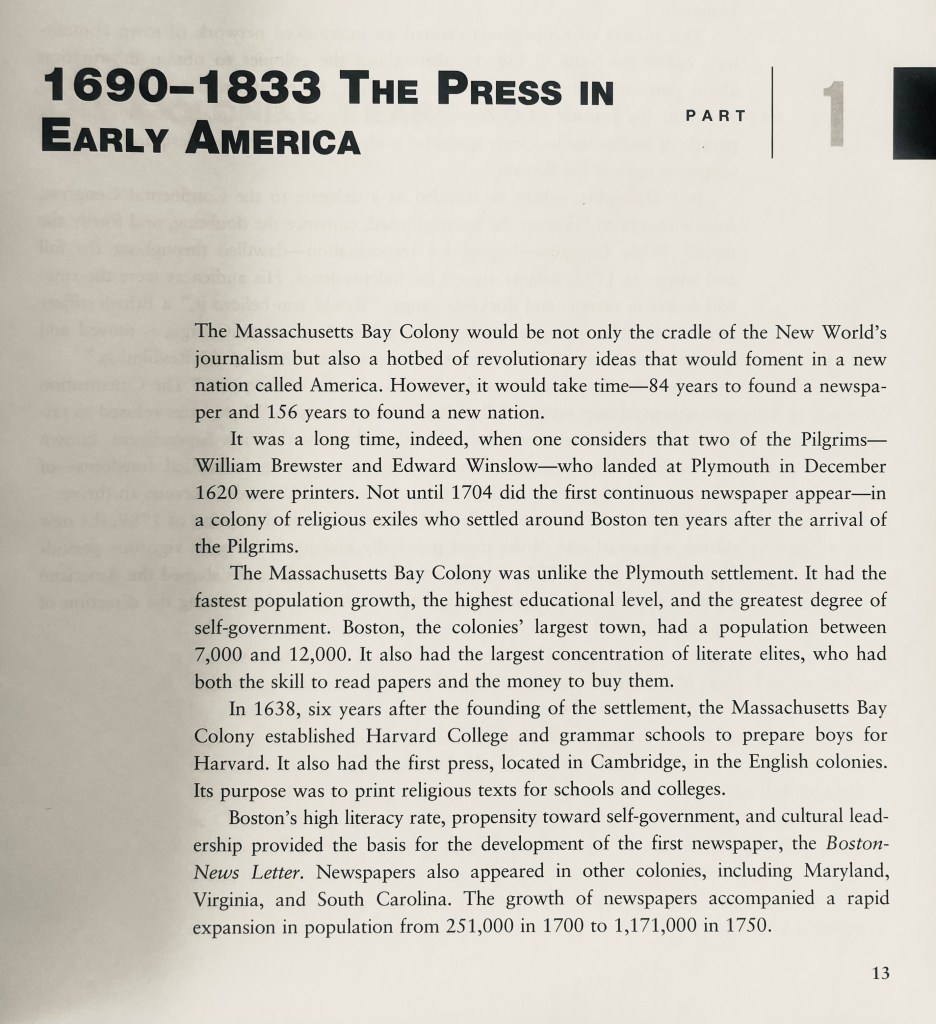
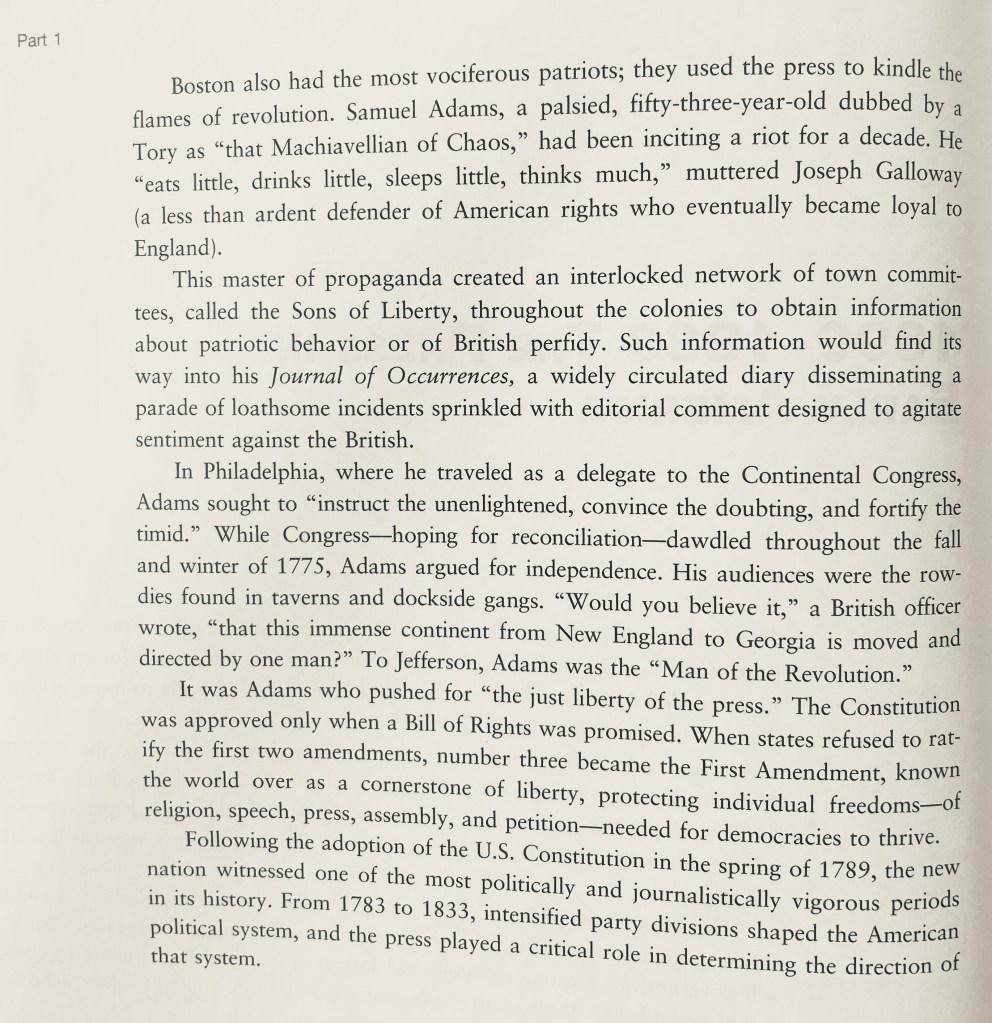
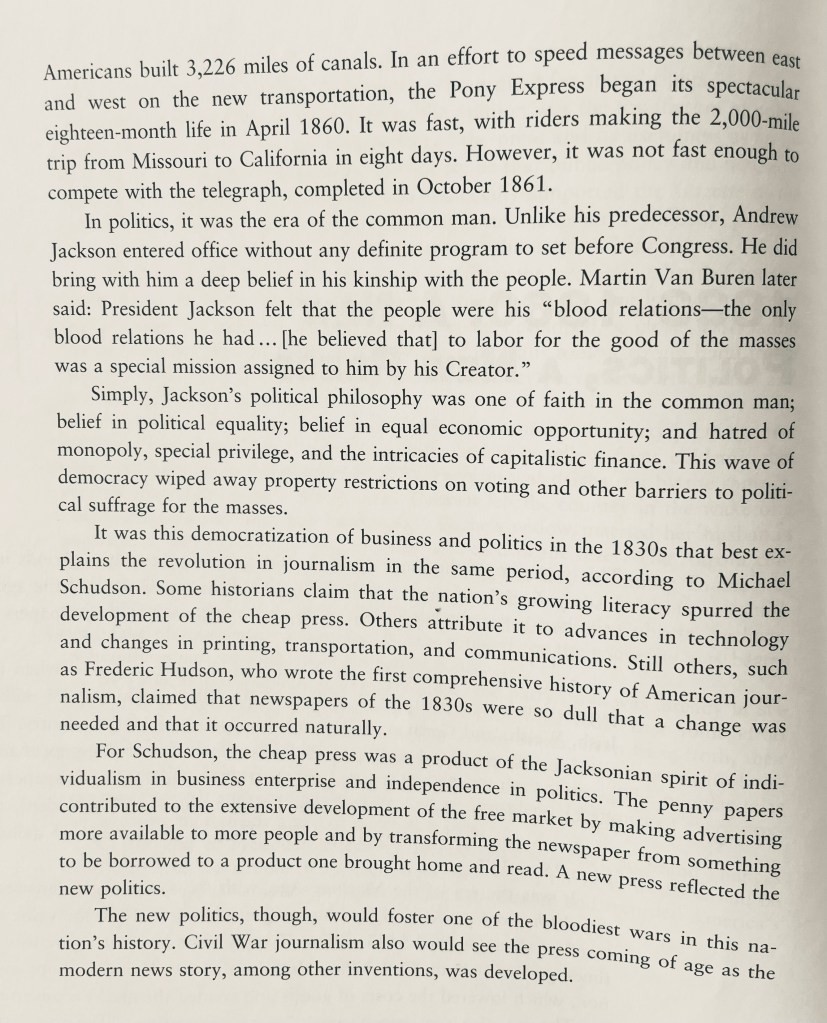
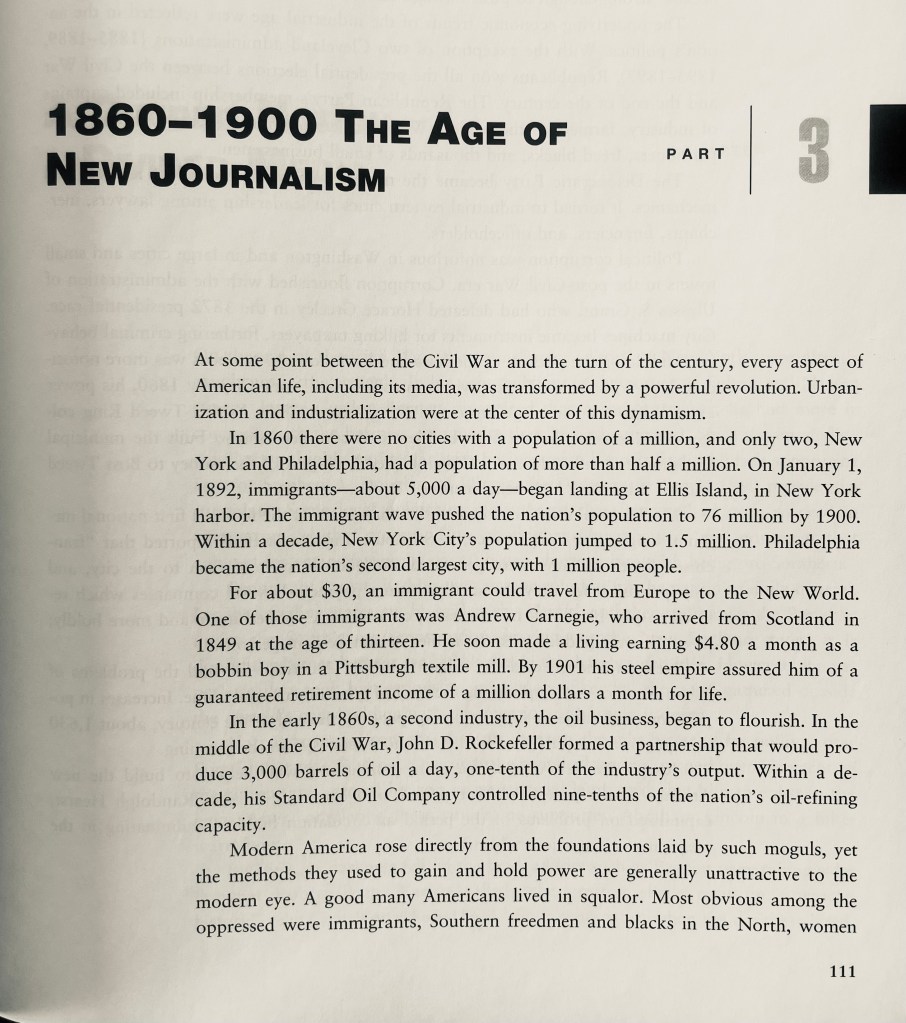
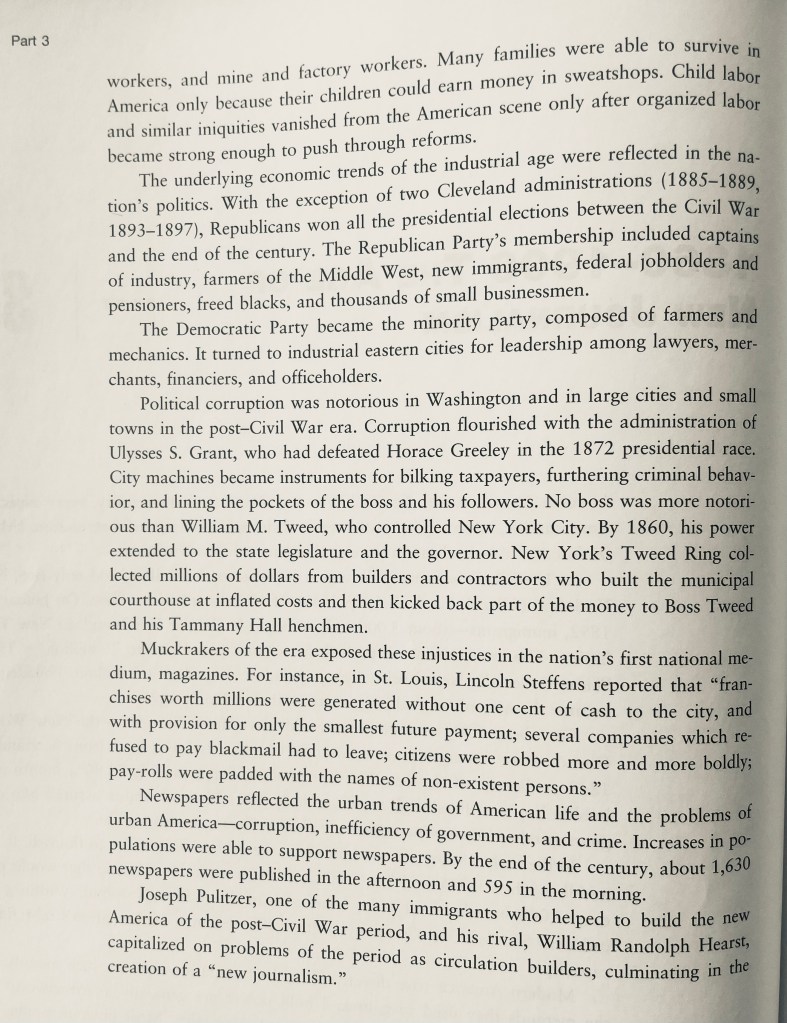
Reading from Anthony R. Fellow’s American Media History:

___________________________________________________
The following information appears in all syllabi for all courses, per college-wide requirement.
Religious Observations—
When the observance of a student’s religious holiday(s) interferes with attendance in class, class work assignments, examinations, or class activities, the student must notify the instructor in writing within the first week of class. Students are held responsible for material covered during their absence. The instructor should provide alternative arrangements for students to complete the work for the missed session. Students excused for religious observances will be expected to meet the class requirements for those days without undue delay. Students who believe they have been unreasonably denied educational benefits due to their religious beliefs or practices may seek redress through the student appeal procedure. [FS 1001.64, 1002.21, 1006.53] Nationally recognized religious holidays shall be acknowledged plus any significant day of religious observance as recognized by the highest governing body of that particular religious faith. Students may be required to provide information or proof the religious holiday if such holiday is not generally known.
Academic Dishonesty, EFSC Policy—
Any form of academic dishonesty is subject to the disciplinary actions set forth in the Student Code of Conduct. Cheating, plagiarism and any other misrepresentation of work are prohibited. Students who are found to be in violation of this standard may receive severe sanctions, including a failing grade in their respective course and depending on the circumstances, possible expulsion from Eastern Florida State College.
In general terms, plagiarism is the adoption or incorporation of another’s ideas without proper attribution of the source. It is more simply defined as taking the writings of another person or people and representing them to be one’s own. Please note that access to or obtaining information/copying assignments provided from sources like CHEGG, Course Hero, Accounting Tutor, or any other online applications that purport to offer the answers to exercises or instructor materials for courses, may be considered CHEATING, and any instances that can be substantiated will be treated as such.
To avoid plagiarism, you should always credit the sources used when writing as essay, research paper, or other assignment in accordance with the appropriate style manual or format required in your course. Confirm with your instructor the appropriate format to use.
Types of actions defined as plagiarism include but may not be limited to the following:
Cutting and pasting to create a written document from a single or various sources;
Citing a source with false or inaccurate information. (Bibliographical or URL);
Quoting less than all the words copied or paraphrasing a source without proper citation or notation the document has been altered;
Submitting papers, assignments, exams, or forums that were completed by someone other than yourself;
Working in a group or otherwise colluding with other students to prepare and submit work without prior acknowledgment and approval from the instructor;
Receiving or giving outside help without prior written faculty consent, this includes assistance from tutors, websites, or other online resources;
Sharing assignments, exams, or discussions with other students;
Selling or purchasing (or copying) papers, assignments, or exams from any website that buys or sells them and submitting them as your work in whole or in part;
Using a quotation without proper quotation marks and citation;
Preparing a draft for final paper for another student;
Submitting or revising a paper, assignment, quiz or exam that you submitted in a previous and/or concurrent class without requesting and receiving in writing prior permission from your instructor(s);
Copying a non-text material such as: image, audio, video, spreadsheet, PowerPoint presentation, etc., without proper citation and reference;
Altering any information on forms, electronic attachments or emails after the original has been submitted;
Presenting statistics, facts, or ideas that are not your own, or is not common factual knowledge either by the general population, or commonly known within the particular discipline, without citation, even if you view them as common knowledge in your own educational background;
If you have any questions or concerns regarding plagiarism, ask your instructor or Associate Provost for assistance before a plagiarism problem arises. For more information about plagiarism and proper citations please visit the campus learning lab and/or writing center.
Sexual Misconduct—
Eastern Florida State College is committed to providing a safe and productive learning environment. Title IX and our school policy prohibits discrimination on the basis of sex. Sexual Misconduct—in any form, including sexual harassment, sexual assault, dating violence, domestic violence, and stalking—is prohibited at EFSC. Our school encourages anyone experiencing Sexual Misconduct to talk to someone about what happened, so they can get the support they need and our school can respond appropriately. For more information about your options, please visit easternflorida.edu/our-campuses/campus-security/titleix-sexual-misconduct. Our school is legally obligated to investigate reports of Sexual Misconduct, and therefore it cannot guarantee the confidentiality of a report, but it will consider a request for confidentiality and respect it to the extent possible. As an instructor, I am also required by our school to report incidents of Sexual Misconduct and thus cannot guarantee confidentiality. I must provide other EFSC officials with any relevant information reported to me.
SAIL—
Faculty at EFSC are innovative and may utilize additional resources and technology (including recording devices) above and beyond the required course materials to enhance the instructional experience. EFSC strives to provide equitable access at the same academic and instructional level for all students and is committed to ensuring access for students with documented disabilities. A person with a disability may qualify for reasonable accommodations. SAIL (Student Access for Improved Learning) ensures that reasonable accommodations are provided for students with documented disabilities that significantly impact major life functions While personal services and personal aides cannot be provided, reasonable accommodations will be arranged to assist a student with a disability based on documentation provided by the student. For more information about accommodations and the resources available to students with disabilities, students are encouraged to go to the website or visit a SAIL office on any campus.
Addendum Link:https://www.easternflorida.edu/academics/syllabus-addendum/index.php
 Thoughts, Revised & Refined